Direct answer
A pump-area noise is a reason to investigate, not a reliable part number or wear measurement. Record its timing and location safely, then have the hydraulic system assessed. Do not infer a specific internal clearance from a clicking or whining sound.
Scope and safety
This is a symptom-recording and service-handoff guide, not a procedure for testing or adjusting the machine. Follow the exact machine manual and displayed safety instructions. Keep clear of moving equipment and suspected pressurized leaks. Shutdown alone may not remove stored pressure; hydraulic work and attachment support require the correct procedure and qualified personnel.
Record context with the sound
If a recording already exists from normal operation, include whether the machine was cold or warm, which function was in use and whether performance changed. Avoid making a new recording near rotating parts or a suspected pressurized leak.
Distinguish observations from conclusions
Describe a whine, knock or intermittent sound in ordinary words. Add warning messages, visible fluid loss and the recent service history. “Noise near the pump” is more accurate than “failed pump bearing” until a technician confirms the source.
Preserve system protection
Do not run without a return filter, swap pumps or open the regulator to compare sounds. Ask for the correct inspection and test procedure, including any justified fluid or filter examination. Keep any removed material labeled as part of the professional service record.
Service handoff record
| Record | Information to supply |
|---|---|
| Identification | Full machine model and serial; engine or attachment identity where relevant. |
| Complaint | The affected function, direction, timing and original screen message. |
| History | Recent service, changed parts and existing test reports; mark missing information as unknown. |
| Diagnosis | Technician’s confirmed component, applicable manual reference and repair scope. |
Frequently asked questions
Does a metallic click prove internal pump wear?
No. A recording cannot measure internal clearance or establish which assembly requires repair.
What information helps identify a confirmed replacement?
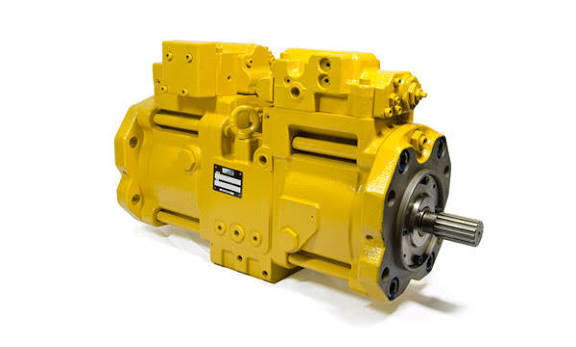
Provide the pump plate, machine serial number, complete assembly number and the technician’s diagnosis; include safely taken connector and port photographs.
Sources and scope of evidence
- Cat service information by machine serial number — manufacturer documentation or support access; obtain the reference for your exact machine.
- Caterpillar hydraulic hose inspection and pressure safety — general hydraulic inspection and stored-pressure safety.
These public sources provide documentation/support routes and general safety context. They do not verify a model-specific fault-code definition, pressure setting or repair case. This guide therefore supplies no such specifications. Source links checked 14 September 2026.
Related guides
- Excavator Hydraulic Pump Failure Symptoms and Next Checks
- Cat Excavator Slow or Weak: A Symptom Checklist Before Pump Replacement
- How to Check Parts Fitment Before an International Order
Parts identification after diagnosis
Danch Machinery supplies genuine parts. Send the confirmed part number, machine serial number and clear identification photographs for an availability and fitment inquiry. A symptom description does not establish fitment or current stock.
Request a parts identification check
About this guide
Published by Danch Machinery as general parts-identification and service-planning information. It is not a signed technical inspection or a machine-specific repair approval. Refer to the sources and scope stated in the article; confirm service procedures and fitment with the current manufacturer documentation for the exact machine.
Machine configurations and service requirements can differ by model, serial number and market. Confirm procedures and fitment with the current manufacturer documentation for your exact machine.