
Hydraulic system faults can bring an excavator to a standstill and lead to expensive service calls. While major failures require professional attention, many common issues can be identified with three simple checks: hydraulic oil level, filter condition, and pump noise. This guide walks you through each check, explains when to call a repair technician, and covers basic maintenance to keep your hydraulic system running reliably.
Understanding the Excavator Hydraulic System
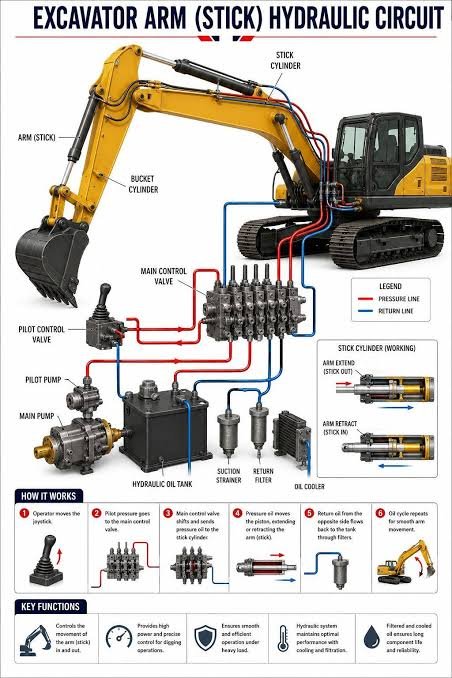
Think of the hydraulic system as the excavator’s blood vessels. It transmits pressurized fluid to drive the boom, arm, and bucket. When the system fails or moves slowly, low oil, a clogged filter, or a failing pump is often behind the problem.
Three Basic Troubleshooting Checks
In many cases, hydraulic system faults come down to three simple causes: insufficient hydraulic oil, a clogged hydraulic filter, or abnormal pump noise. Check these first before calling a mechanic.
Check 1 — Hydraulic Oil Level
Low hydraulic oil is one of the most common causes of poor performance. Begin by checking the oil level using the sight glass or dipstick while the machine is parked on level ground and the hydraulic system is cool. If the level is below the recommended mark, add the correct hydraulic oil specified by the manufacturer until it reaches the proper level.
Note: If the oil level drops again shortly after topping up, there may be a leak in the system. Address leaks immediately—do not simply keep adding oil.
Check 2 — Hydraulic Filter Condition
A clogged hydraulic filter restricts oil flow and can cause sluggish or erratic operation. Inspect the filter element for visible dirt, sludge, or metal particles. If the filter looks dirty or has exceeded its service interval, replace it with a quality replacement element.
Always follow your excavator’s service manual for the correct filter part number and replacement procedure.
Check 3 — Hydraulic Pump Noise
Unusual noises from the hydraulic pump—such as whining, knocking, or grinding—often indicate internal wear, cavitation, or aeration. Listen carefully while the excavator is running. If you hear abnormal noises, stop work and inspect the system.
Caution: Do not ignore pump noise. Continuing to operate with a failing pump can cause further damage and more expensive repairs.
| Check | What to Look For | Possible Issue | Immediate Action |
|---|---|---|---|
| Hydraulic oil level | Sight glass or dipstick below minimum | Insufficient oil | Add recommended oil to correct level |
| Hydraulic filter | Dirty, clogged, or past service interval | Restricted oil flow | Replace filter element |
| Hydraulic pump | Whining, knocking, or grinding noise | Potential pump wear or cavitation | Stop and inspect; seek professional diagnosis if noise persists |
When to Call a Professional
If you have completed all three checks and the problem persists, it is time to call a qualified repair technician. The following symptoms require expert attention:
- Visible hydraulic oil leaks
- Insufficient hydraulic system pressure
- Abnormal or jerky hydraulic movements
- Persistent pump noise after basic checks
Attempting to repair these issues without proper training and tools can be dangerous and may cause further damage.
Daily Hydraulic System Maintenance
Regular maintenance prevents many hydraulic faults and extends component life. Follow these basic practices:
Fluid and Filter Change Intervals
- Hydraulic oil: Change every 6 to 12 months, depending on operating conditions. Oil degrades over time and loses its protective properties.
- Hydraulic filter: Replace every 3 to 6 months, or more frequently in dusty environments. A clogged filter reduces flow and increases wear.
Always refer to your excavator’s operator manual for exact intervals—manufacturer recommendations may differ based on model and usage.
Hose Inspection and Environmental Factors
- Hydraulic hoses: Inspect regularly for cracks, abrasions, bulges, or signs of aging. Replace any hose that shows wear before it fails.
- Working environment: Dusty construction sites accelerate filter clogging and oil contamination. Increase maintenance frequency in high-dust conditions.
- Workload: Machines used daily under heavy load experience more wear. Shorten maintenance intervals for high-intensity operations.
Safety Notes for Hydraulic Troubleshooting
- Release pressure: Hydraulic systems operate at extreme pressures. Always relieve residual pressure before opening lines or replacing components.
- Cool down: Allow the machine to cool before checking oil levels or touching components to avoid burns.
- Support attachments: Lower the boom, arm, and bucket to the ground and shut off the engine before performing inspections.
- Use proper PPE: Wear safety glasses, gloves, and protective clothing when handling hydraulic oil and filters.
- Never check for leaks with bare hands: Pressurized fluid can penetrate skin—use a piece of cardboard or wood to detect leaks.
Frequently Asked Questions
How often should I change hydraulic oil in my excavator?
General recommendation is every 6 to 12 months, but always follow the interval specified in your machine’s service manual. Harsh conditions may require more frequent changes.
Can I replace a hydraulic filter myself?
Yes, if you are comfortable with basic maintenance and follow safety procedures. Ensure the system is depressurized, use the correct replacement filter, and dispose of old oil properly.
What does hydraulic pump whining mean?
Whining often indicates cavitation or aeration—air or vapor bubbles in the oil—or internal wear. Stop operation and inspect oil level and filter condition first; if the noise continues, consult a professional.
Why does my excavator move slowly even with enough oil and a clean filter?
Slow movement could be caused by internal pump wear, a faulty relief valve, or other hydraulic issues that require pressure testing and professional diagnosis.
Need Parts or Expert Advice?
If your checks point to a worn filter or contaminated oil, replacing them with quality components is essential. Danch Machinery supplies hydraulic filters, oils, and other excavator parts. For help selecting the right components or diagnosing a stubborn hydraulic problem, reach out to our team.
About this guide
Published by Danch Machinery as general parts-identification and service-planning information. It is not a signed technical inspection or a machine-specific repair approval. Refer to the sources and scope stated in the article; confirm service procedures and fitment with the current manufacturer documentation for the exact machine.
Machine configurations and service requirements can differ by model, serial number and market. Confirm procedures and fitment with the current manufacturer documentation for your exact machine.