Direct answer
Slow movement or weak digging does not, by itself, justify replacing the main hydraulic pump. Describe the affected functions and conditions, then obtain a serial-specific assessment before ordering parts. A pressure reading without the test conditions is not a complete diagnosis.
Scope and safety
This is a symptom-recording and service-handoff guide, not a procedure for testing or adjusting the machine. Follow the exact machine manual and displayed safety instructions. Keep clear of moving equipment and suspected pressurized leaks. Shutdown alone may not remove stored pressure; hydraulic work and attachment support require the correct procedure and qualified personnel.
Separate speed, force and temperature
Write whether the complaint is slow cycle speed, inability to lift or dig, unexpected movement, noise or a warning. Record whether it affects one function or several, and whether it appeared only after the machine warmed during ordinary work.
Include the engine and maintenance history
Report observed engine speed loss, work mode, installed attachment and recent fuel or hydraulic service. Provide actual filter numbers and dates where available. Do not rank a pump, relief valve or filter as the most likely cause without measurements.
Ask for a complete test record
The service report should identify the serial-specific procedure and relevant pressure, flow or leakage findings with operating conditions. Do not use a generic pressure, temperature or speed-drop threshold from another excavator. Do not adjust or polish valves to see whether performance improves.
Keep hot-only complaints in the same investigation
A complaint that appears after warm-up is useful evidence, but it does not prove a particular seal or pump is worn. Record time into the work cycle, displayed temperatures and affected functions. Compare these with the technician’s findings before choosing repair parts.
Service handoff record
| Record | Information to supply |
|---|---|
| Identification | Full machine model and serial; engine or attachment identity where relevant. |
| Complaint | The affected function, direction, timing and original screen message. |
| History | Recent service, changed parts and existing test reports; mark missing information as unknown. |
| Diagnosis | Technician’s confirmed component, applicable manual reference and repair scope. |
Frequently asked questions
Can normal pressure prove the pump is healthy?
No single reading should be used that way. Ask the technician how the specified tests establish delivery and system behavior.
Should I buy a pilot filter before diagnosis?
If scheduled maintenance is due, follow the matching maintenance instructions. A symptom alone does not establish that a new filter will cure it.
Sources and scope of evidence
- Cat service information by machine serial number — manufacturer documentation or support access; obtain the reference for your exact machine.
- Caterpillar hydraulic hose inspection and pressure safety — general hydraulic inspection and stored-pressure safety.
These public sources provide documentation/support routes and general safety context. They do not verify a model-specific fault-code definition, pressure setting or repair case. This guide therefore supplies no such specifications. Source links checked 14 September 2026.
Related guides
- Excavator Hydraulic Pump Failure Symptoms and Next Checks
- Hydraulic Filter Replacement: A Contamination-Control Guide
- How to Check Parts Fitment Before an International Order
Parts identification after diagnosis
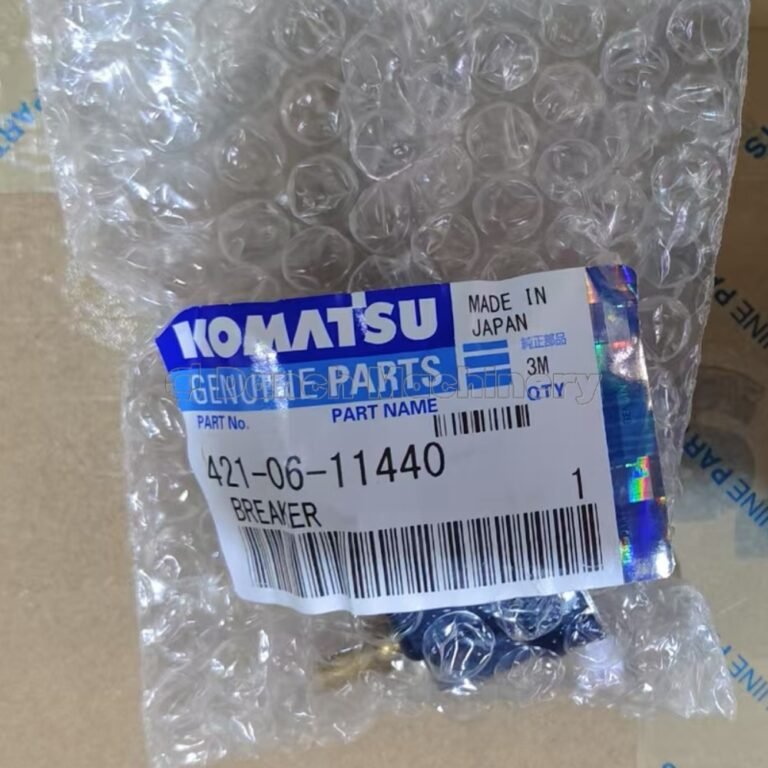
Danch Machinery supplies genuine parts. Send the confirmed part number, machine serial number and clear identification photographs for an availability and fitment inquiry. A symptom description does not establish fitment or current stock.
Request a parts identification check
About this guide
Published by Danch Machinery as general parts-identification and service-planning information. It is not a signed technical inspection or a machine-specific repair approval. Refer to the sources and scope stated in the article; confirm service procedures and fitment with the current manufacturer documentation for the exact machine.
Machine configurations and service requirements can differ by model, serial number and market. Confirm procedures and fitment with the current manufacturer documentation for your exact machine.