Direct answer
If swing or the dozer blade still works while other movements fail, record exactly which functions remain available. That pattern alone cannot establish that the pilot supply is healthy or that both main pumps have failed. Pump labels and circuit assignments must be checked against the exact excavator schematic.
Scope and safety
This is a symptom-recording and service-handoff guide, not a procedure for testing or adjusting the machine. Follow the exact machine manual and displayed safety instructions. Keep clear of moving equipment and suspected pressurized leaks. Shutdown alone may not remove stored pressure; hydraulic work and attachment support require the correct procedure and qualified personnel.
Separate observation from measurement
Write “boom does not rise” if that is what was observed. Write “P1 pressure measured” only when a technician has identified the test port, instrument, units and operating condition. A dashboard display and a pressure gauge are different evidence sources.
Build a function record
List boom raise/lower, arm in/out, bucket, swing in both directions, travel on each side and blade movement where fitted. Use previous observations; do not repeatedly operate a malfunctioning machine just to complete the list.
Ask for a circuit-based test plan
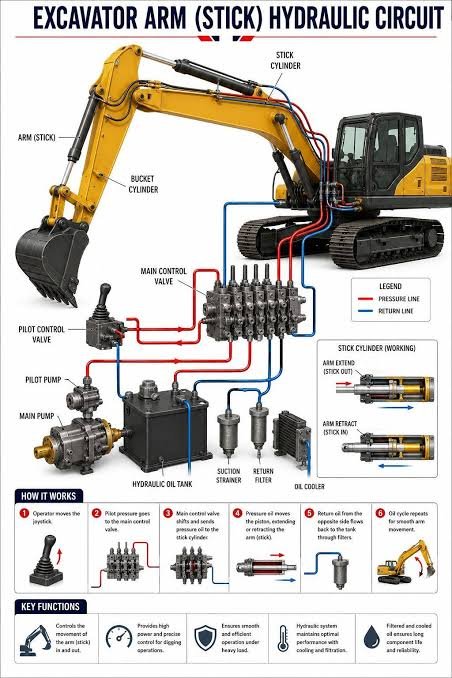
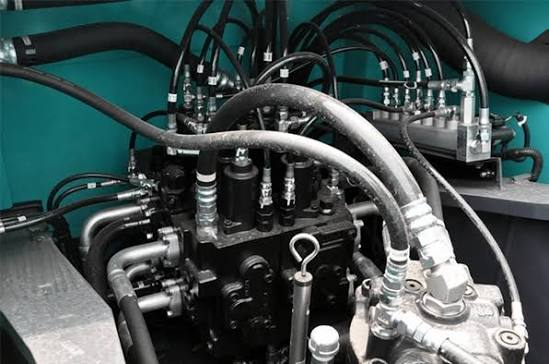
Provide the full model suffix, serial plate, pump identification plate and recent repair history. Ask the technician to distinguish control commands, pilot supply, pump delivery and valve behavior using the matching diagram. Do not move oil supply hoses between P1, P2 or P3 as an exploratory test.
Service handoff record
| Record | Information to supply |
|---|---|
| Identification | Full machine model and serial; engine or attachment identity where relevant. |
| Complaint | The affected function, direction, timing and original screen message. |
| History | Recent service, changed parts and existing test reports; mark missing information as unknown. |
| Diagnosis | Technician’s confirmed component, applicable manual reference and repair scope. |
Frequently asked questions
Does working swing prove the other pumps are faulty?
No. It records a useful difference between functions, but circuit layout and measured evidence are needed before attributing the fault to a pump.
What should accompany a pump parts inquiry?
The machine and pump identification numbers, connector and port photographs taken safely, and the technician’s confirmed component diagnosis.
Sources and scope of evidence
- Kobelco parts and service support — manufacturer documentation or support access; obtain the reference for your exact machine.
- Caterpillar hydraulic hose inspection and pressure safety — general hydraulic inspection and stored-pressure safety.
These public sources provide documentation/support routes and general safety context. They do not verify a model-specific fault-code definition, pressure setting or repair case. This guide therefore supplies no such specifications. Source links checked 14 September 2026.
Related guides
- Excavator Hydraulic Pump Failure Symptoms and Next Checks
- How to Check Parts Fitment Before an International Order
Parts identification after diagnosis
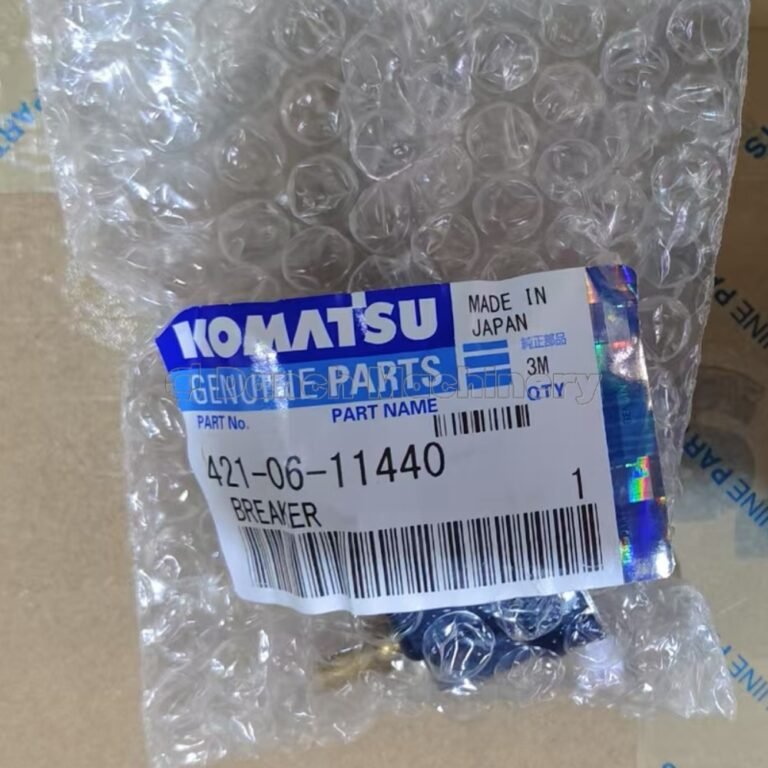
Danch Machinery supplies genuine parts. Send the confirmed part number, machine serial number and clear identification photographs for an availability and fitment inquiry. A symptom description does not establish fitment or current stock.
Request a parts identification check
About this guide
Published by Danch Machinery as general parts-identification and service-planning information. It is not a signed technical inspection or a machine-specific repair approval. Refer to the sources and scope stated in the article; confirm service procedures and fitment with the current manufacturer documentation for the exact machine.
Machine configurations and service requirements can differ by model, serial number and market. Confirm procedures and fitment with the current manufacturer documentation for your exact machine.