Direct answer
For weak travel or abnormal noise, record the affected side, direction and conditions before calling the complete final drive defective. Clarify whether an inquiry concerns a travel motor, reduction gearbox, brake-related assembly or a complete unit. The relevant parts and tests depend on the machine’s actual drivetrain arrangement.
Separate the travel complaint from the assembly name
An operator’s phrase such as “final drive noise” is an observation to investigate, not a complete ordering specification. Record where the sound was perceived, which side was affected and whether it accompanied travel, turning or another activity already observed. Excavator hydraulic travel arrangements and bulldozer drivetrains must not be treated as the same service system.
What to record before a service or parts decision
| Record | What to include and why |
|---|---|
| Symptom location | Affected side/direction, type of observation and when it was first noticed. |
| Context | Known operating condition, warnings and recent service, without deliberately reproducing a dangerous event. |
| Component identity | Full machine serial and safely readable assembly labels; keep motor and gearbox identities separate. |
| Technical evidence | Service findings with the applicable procedure and conditions, including unresolved observations. |
| Supply boundary | Complete unit or named subassembly, included items, order number and quantity. |
What the observations do—and do not—establish
Noise, leakage or weak travel does not by itself distinguish an internal component issue from another drivetrain or machine condition. A qualified assessment should define the relevant checks for that machine. Where an oil or debris report exists, keep its sampling identity, date and interpretation; do not translate an informal description into a definite failed gear or bearing.
Turn the record into a clear service handoff
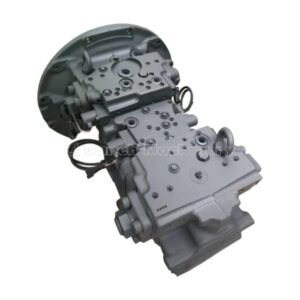
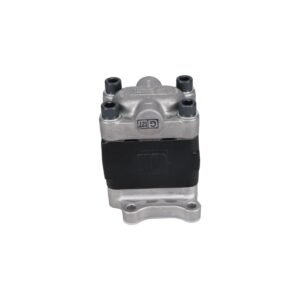
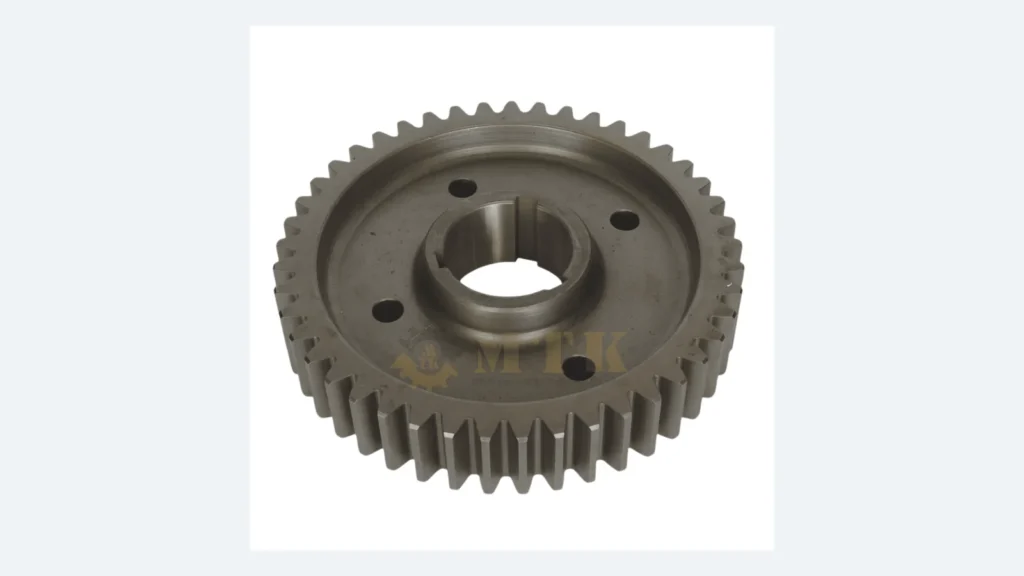
Before accepting a quote, compare the included assembly scope with the service recommendation. A motor-only offer and a complete final-drive offer cannot be compared solely by price. Use the catalog illustration and written inclusions to resolve what is supplied. If the identity is unresolved, request an identification check rather than approving a look-alike housing.
Safe limits for this guide
Do not remove a hot gearbox plug, work on raised tracks without approved support, or disconnect hydraulic lines. Abnormal travel, severe noise or leakage requires the machine-specific service response; this guide does not authorize continued operation.
Machine and parts context
This is a general service-planning guide. The linked machine pages organize identification information; they do not make the workflow a model-specific repair procedure.
Frequently asked questions
Does final drive always mean motor plus gearbox?
No. Ask the supplier to define the included assembly explicitly.
Can one noisy side establish the failed internal part?
No. It locates a complaint but does not replace technical assessment.
Can an SD22 procedure be used for a PC400-7?
Do not transfer procedures across those different machine arrangements.
Sources and scope
- Komatsu parts and documentation access — Manufacturer route to machine-specific parts and service documentation. This portal does not supply the individual limits or application approval for this guide.
- Caterpillar drivetrain inspection — General component and observation background. Drivetrain arrangements differ; Cat procedures and intervals are not transferred to this machine.
The observation checklist is Danch Machinery editorial guidance. No customer case, measured result or technician sign-off is claimed. Published or updated 14 September 2026. Obtain the current documentation for the exact machine before any technical procedure.
Request a parts identification check
Send the complete model and serial, component position, exact number or clearly marked uncertainty, quantity and available service findings. Danch Machinery supplies genuine parts; a quotation does not replace a technical diagnosis.
About this guide
Published by Danch Machinery as general parts-identification and service-planning information. It is not a signed technical inspection or a machine-specific repair approval. Refer to the sources and scope stated in the article; confirm service procedures and fitment with the current manufacturer documentation for the exact machine.
Machine configurations and service requirements can differ by model, serial number and market. Confirm procedures and fitment with the current manufacturer documentation for your exact machine.