Direct answer
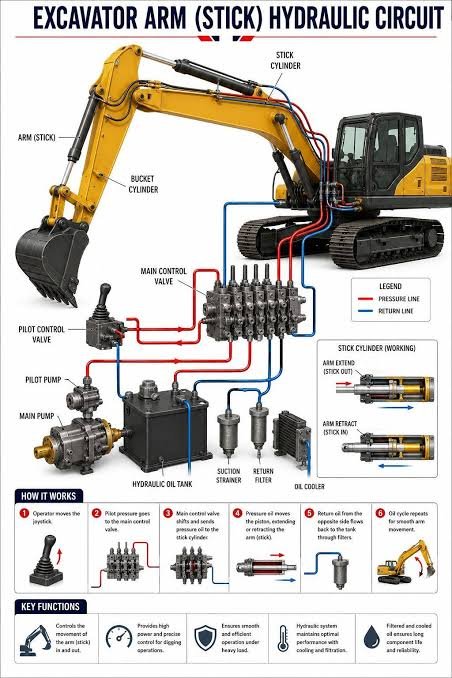
Intermittent or jerky stick movement should be described by direction, position and operating conditions before a cylinder or control valve is selected. A short video or one symptom cannot establish the failed internal component.
Scope and safety
This is a symptom-recording and service-handoff guide, not a procedure for testing or adjusting the machine. Follow the exact machine manual and displayed safety instructions. Keep clear of moving equipment and suspected pressurized leaks. Shutdown alone may not remove stored pressure; hydraulic work and attachment support require the correct procedure and qualified personnel.
Define the movement precisely
Record whether extension, retraction or both are affected, whether the problem is intermittent and whether it also appeared in other functions. Include warnings and recent hydraulic service. Do not continue an unsafe movement to reproduce a pause.
Provide the installed configuration
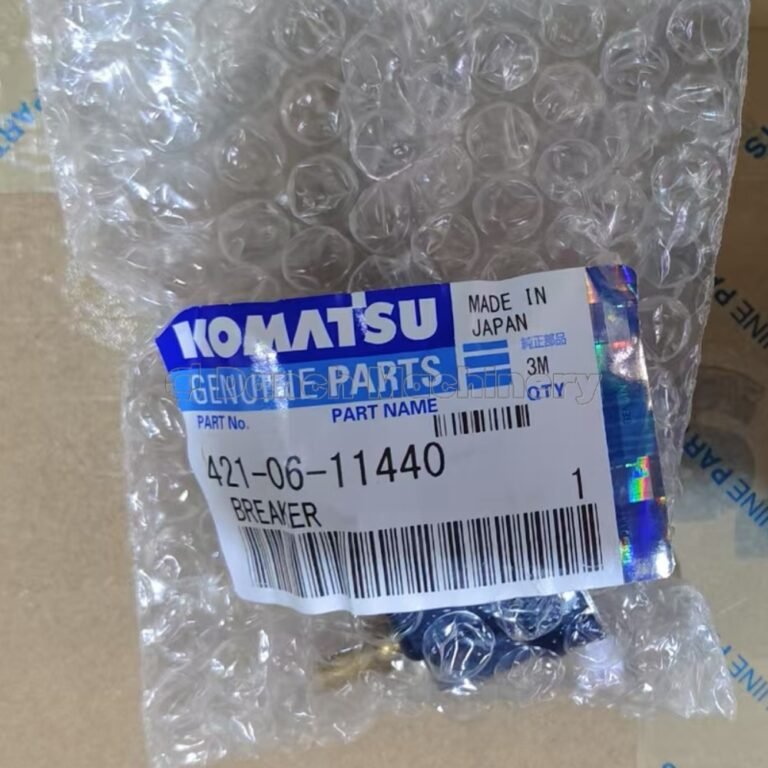
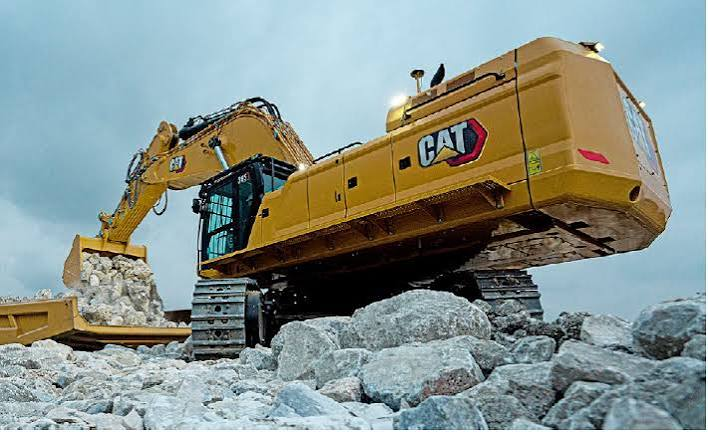
Send the machine serial, attachment details and any known valve or cylinder identification. The description “Cat excavator” does not establish a particular solenoid or holding-valve design.
Require a supported diagnosis
Ask the technician to use the matching diagram and service tests before assigning the fault to a spool, seal or solenoid. Do not grind valve spools, exchange holding valves or touch a hot cylinder as an informal diagnostic procedure. Retain documented findings for the parts inquiry.
Service handoff record
| Record | Information to supply |
|---|---|
| Identification | Full machine model and serial; engine or attachment identity where relevant. |
| Complaint | The affected function, direction, timing and original screen message. |
| History | Recent service, changed parts and existing test reports; mark missing information as unknown. |
| Diagnosis | Technician’s confirmed component, applicable manual reference and repair scope. |
Frequently asked questions
Does a pause at one position prove cylinder damage?
No. Record the position and direction, then obtain a diagnosis using the correct machine procedure.
What should a valve inquiry include?
The machine and valve identification, full part number, safe photographs of external connectors and ports, and the confirmed repair scope.
Sources and scope of evidence
- Cat service information by machine serial number — manufacturer documentation or support access; obtain the reference for your exact machine.
- Caterpillar hydraulic hose inspection and pressure safety — general hydraulic inspection and stored-pressure safety.
These public sources provide documentation/support routes and general safety context. They do not verify a model-specific fault-code definition, pressure setting or repair case. This guide therefore supplies no such specifications. Source links checked 14 September 2026.
Related guides
- Excavator Hydraulic Pump Failure Symptoms and Next Checks
- How to Check Parts Fitment Before an International Order
Parts identification after diagnosis
Danch Machinery supplies genuine parts. Send the confirmed part number, machine serial number and clear identification photographs for an availability and fitment inquiry. A symptom description does not establish fitment or current stock.
Request a parts identification check
About this guide
Published by Danch Machinery as general parts-identification and service-planning information. It is not a signed technical inspection or a machine-specific repair approval. Refer to the sources and scope stated in the article; confirm service procedures and fitment with the current manufacturer documentation for the exact machine.
Machine configurations and service requirements can differ by model, serial number and market. Confirm procedures and fitment with the current manufacturer documentation for your exact machine.