
Direct answer
An oil leak needs a safely identified location and fluid system before a repair or seal order can be justified. Do not use fluid color alone to select a component, and do not tighten every wet fitting as a general repair method.
Scope and safety
This is a symptom-recording and service-handoff guide, not a procedure for testing or adjusting the machine. Follow the exact machine manual and displayed safety instructions. Keep clear of moving equipment and suspected pressurized leaks. Shutdown alone may not remove stored pressure; hydraulic work and attachment support require the correct procedure and qualified personnel.
Record the location without approaching a live leak
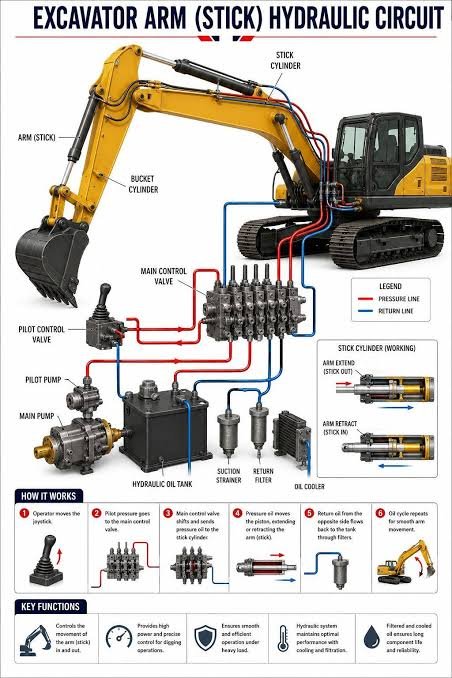
From a safe position, note whether wetness is near a hose, connection, cylinder, engine or gearbox. Photographs should show the surrounding assembly as well as the affected area. Stop using equipment with a suspected pressurized leak and follow the machine’s shutdown instructions.
Provide useful history
Record when the leak was first noticed, visible level changes, warning messages and any recent hose or seal replacement. Describe whether the evidence is an old stain, recurring wetness or fluid collecting below the machine. Do not recreate a spray to obtain a photograph.
Match the repair to the connection
A technician needs the assembly identification, connection design and applicable service procedure before choosing a seal or hose. Pressure rating, end connections, routing and cleanliness requirements must be confirmed. A photograph alone does not establish the correct tightening torque.
Service handoff record
| Record | Information to supply |
|---|---|
| Identification | Full machine model and serial; engine or attachment identity where relevant. |
| Complaint | The affected function, direction, timing and original screen message. |
| History | Recent service, changed parts and existing test reports; mark missing information as unknown. |
| Diagnosis | Technician’s confirmed component, applicable manual reference and repair scope. |
Frequently asked questions
Can I use a hand to find a small leak?
No. Keep clear of a suspected pressurized leak. Hydraulic fluid can penetrate skin; suspected injection requires immediate medical attention.
Should I order a seal kit immediately?
First obtain the confirmed leaking assembly and its part number. A wet area can collect fluid from elsewhere, so location and diagnosis both matter.
Sources and scope of evidence
- Cat service information by machine serial number — manufacturer documentation or support access; obtain the reference for your exact machine.
- Caterpillar hydraulic hose inspection and pressure safety — general hydraulic inspection and stored-pressure safety.
These public sources provide documentation/support routes and general safety context. They do not verify a model-specific fault-code definition, pressure setting or repair case. This guide therefore supplies no such specifications. Source links checked 14 September 2026.
Related guides
- Hydraulic Filter Replacement: A Contamination-Control Guide
- How to Check Parts Fitment Before an International Order
Parts identification after diagnosis
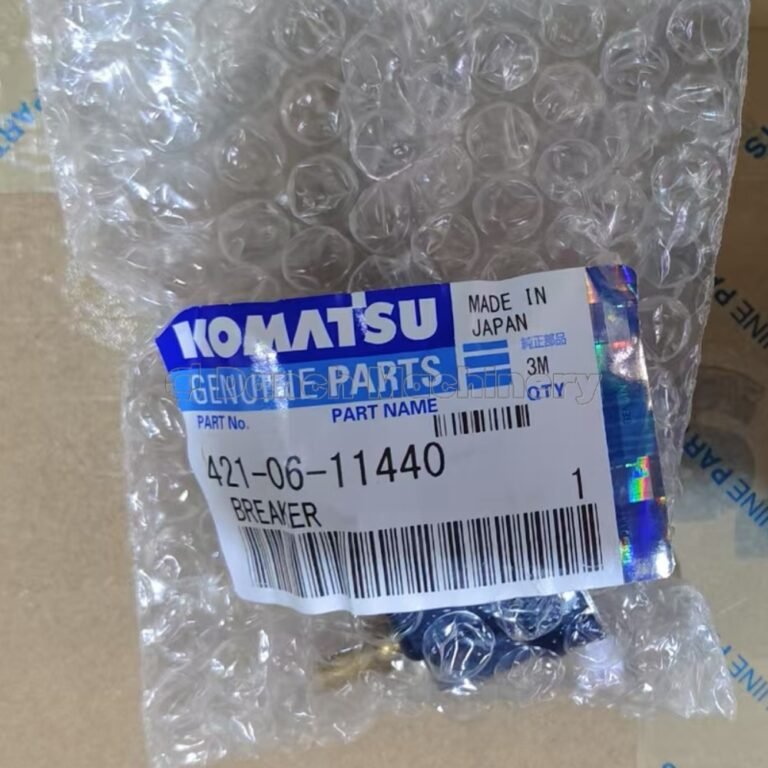
Danch Machinery supplies genuine parts. Send the confirmed part number, machine serial number and clear identification photographs for an availability and fitment inquiry. A symptom description does not establish fitment or current stock.
Request a parts identification check
About this guide
Published by Danch Machinery as general parts-identification and service-planning information. It is not a signed technical inspection or a machine-specific repair approval. Refer to the sources and scope stated in the article; confirm service procedures and fitment with the current manufacturer documentation for the exact machine.
Machine configurations and service requirements can differ by model, serial number and market. Confirm procedures and fitment with the current manufacturer documentation for your exact machine.