
Remote-site spares should be selected by criticality and stored in clean, dry, labeled conditions that preserve packaging and traceability. Storage is part of reliability: a contaminated filter or corroded connector can create the failure it was meant to prevent.
Key takeaways
- Prioritize parts by downtime risk and replenishment lead time.
- Keep original labels and sealed packaging.
- Control dust, moisture, sunlight and temperature.
- Rotate stock and inspect it on a schedule.
Build a critical-spares list
Combine failure history, planned maintenance, fleet commonality, supplier lead time and consequence of downtime. Separate consumables from repair assemblies and emergency items.
Storage by part type
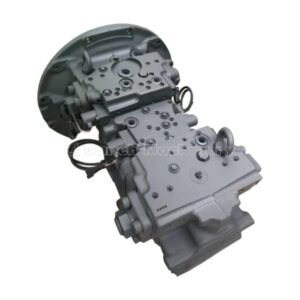
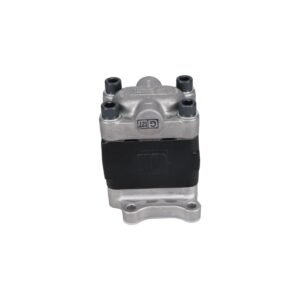
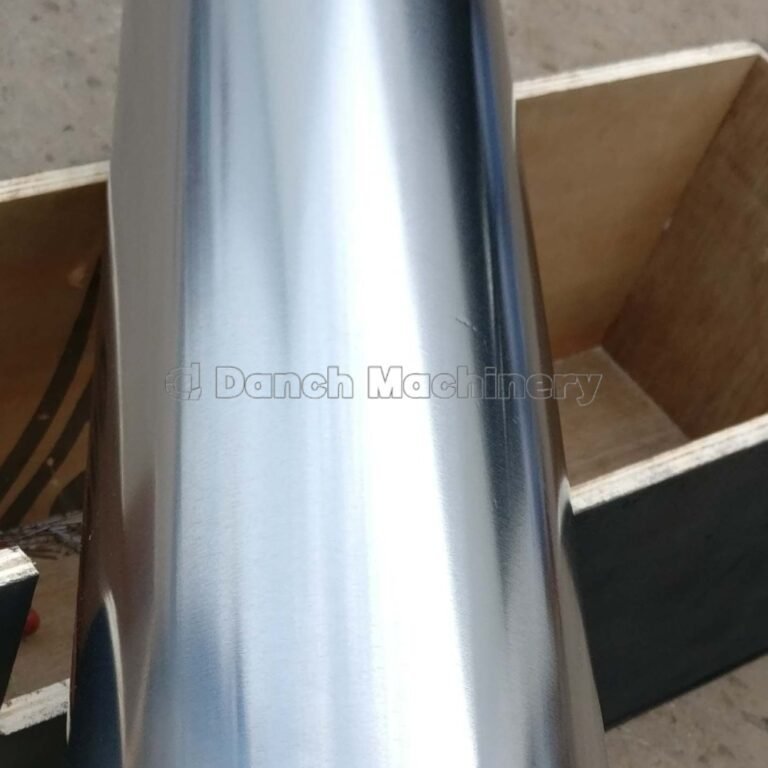
Keep filters sealed; protect machined surfaces; store seals away from ozone, heat and sunlight; cap hydraulic ports; protect electronics from moisture and static as specified. Follow supplier preservation instructions.
Inventory control
Record part number, description, machine application, quantity, location, received date and shelf-life information. Do not merge look-alike numbers in one bin.
Before installation
Inspect packaging, corrosion protection, seals, connectors and contamination controls. Reconfirm fitment if the machine or catalog record has changed since purchase.
Frequently asked questions
Which parts have a shelf life?
Rubber products, adhesives, batteries, chemicals and some sealed components can have time-dependent limits; follow manufacturer data.
Should major components be turned during storage?
Only when the manufacturer’s preservation procedure calls for it.
How much stock is enough?
Balance downtime exposure, fleet usage and reliable replenishment rather than using one generic quantity.
Need help confirming a part?
Send the machine model, complete serial number, old part number and clear photos. Danch Machinery can help review the identification information before quotation.
Spare-parts storage register
Use this blank record with your own evidence. It is a planning template, not a completed customer case or an approval to install a part.
| Field | What to record |
|---|---|
| Stock item | Part number, quantity, bin and sealed-package condition |
| Traceability | Received date and supplier/batch record where supplied |
| Storage rule | Manufacturer preservation or shelf-life instruction |
| Before use | Condition inspection and renewed fitment check |
Related guides
- What Information Is Needed for an Accurate Parts Quote?
- How to Check Parts Fitment Before an International Order
Reference scope
The checklist above is Danch Machinery editorial guidance for recording information. It does not certify a particular machine, maintenance interval, repair procedure or part fitment. Use the manufacturer documentation for the exact machine and preserve the reference with the service or ordering record.
Komatsu manual access and Cat serial-specific service information are documentation routes for those brands. They do not establish procedures for another brand. Obtain the matching manufacturer instructions before service.
About this guide
Published by Danch Machinery as general parts-identification and service-planning information. It is not a signed technical inspection or a machine-specific repair approval. Refer to the sources and scope stated in the article; confirm service procedures and fitment with the current manufacturer documentation for the exact machine.
Machine configurations and service requirements can differ by model, serial number and market. Confirm procedures and fitment with the current manufacturer documentation for your exact machine.